

Black tourmaline is a practical choice for buyers who want a strong black gemstone with a clean, modern look. It is especially useful in rings, pendants, cufflinks and men's jewelry, where its dark color can create bold contrast with metal and other gemstones.
This guide explains the main points to consider before buying black tourmaline, including color, cut, size, durability, treatments and jewelry suitability. For most buyers, the best choice is the stone that combines even black color, a well-finished cut and the right size and shape for the intended design.
What Is Black Tourmaline?
Black tourmaline is a variety of tourmaline associated with the mineral species schorl. Like other tourmalines, it is a complex borosilicate and crystallizes in the trigonal crystal system. In the gem trade, black tourmaline is valued primarily for its deep black appearance rather than for a range of body colors.
Tourmaline is also associated with October as a birthstone, making black tourmaline an alternative for buyers who prefer a darker, more understated October birthstone option.
Color and Appearance: What to Look For
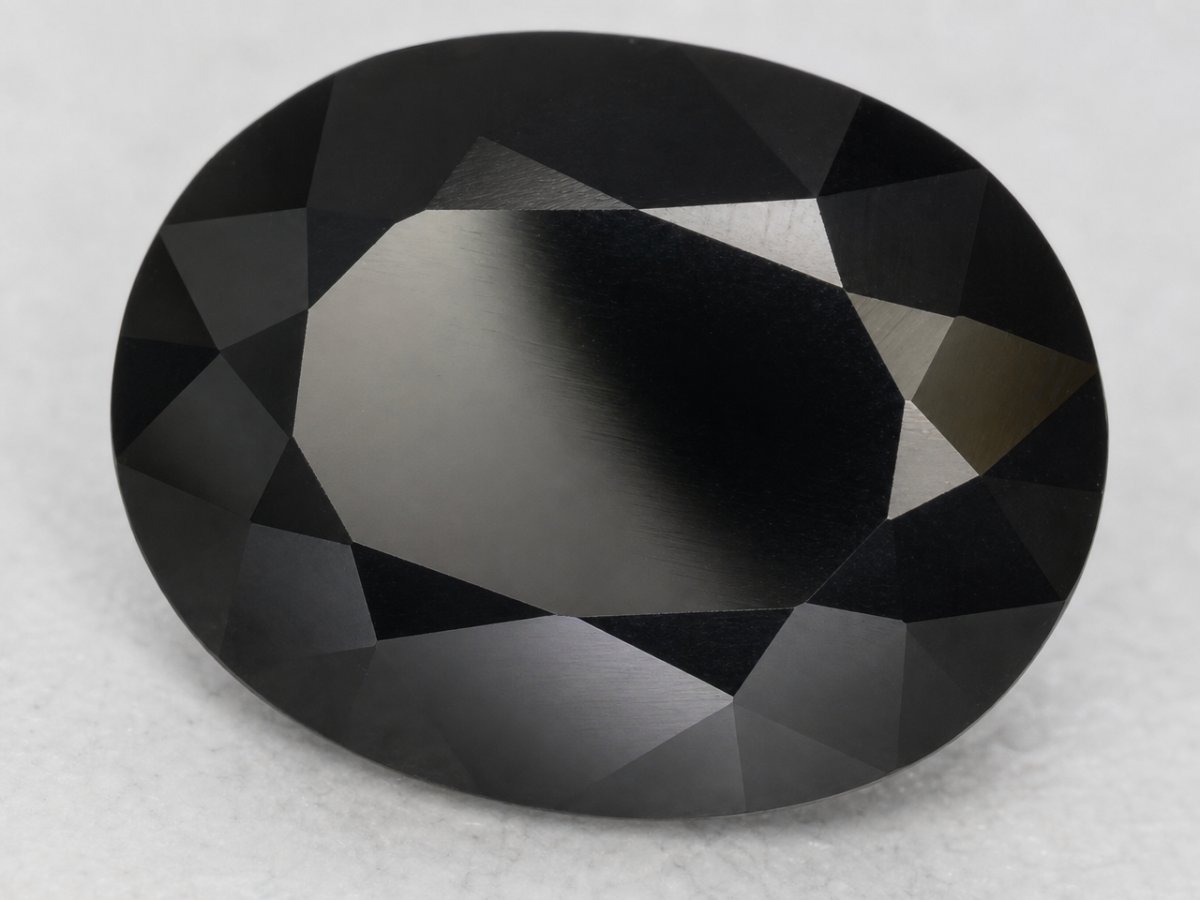
The defining color of black tourmaline is black. When comparing stones, focus on the evenness and strength of the color. A good black tourmaline should present a consistent dark appearance from the face-up view, without distracting lighter areas caused by cutting, surface issues or uneven finishing.
Because the appeal of black tourmaline comes from its black color and overall form, buyers should pay close attention to polish and outline. A sharp outline, symmetrical shape and smooth surface finish usually make a bigger visual difference than minor internal features that may not be obvious in a dark gemstone.
Cut Styles and Shapes
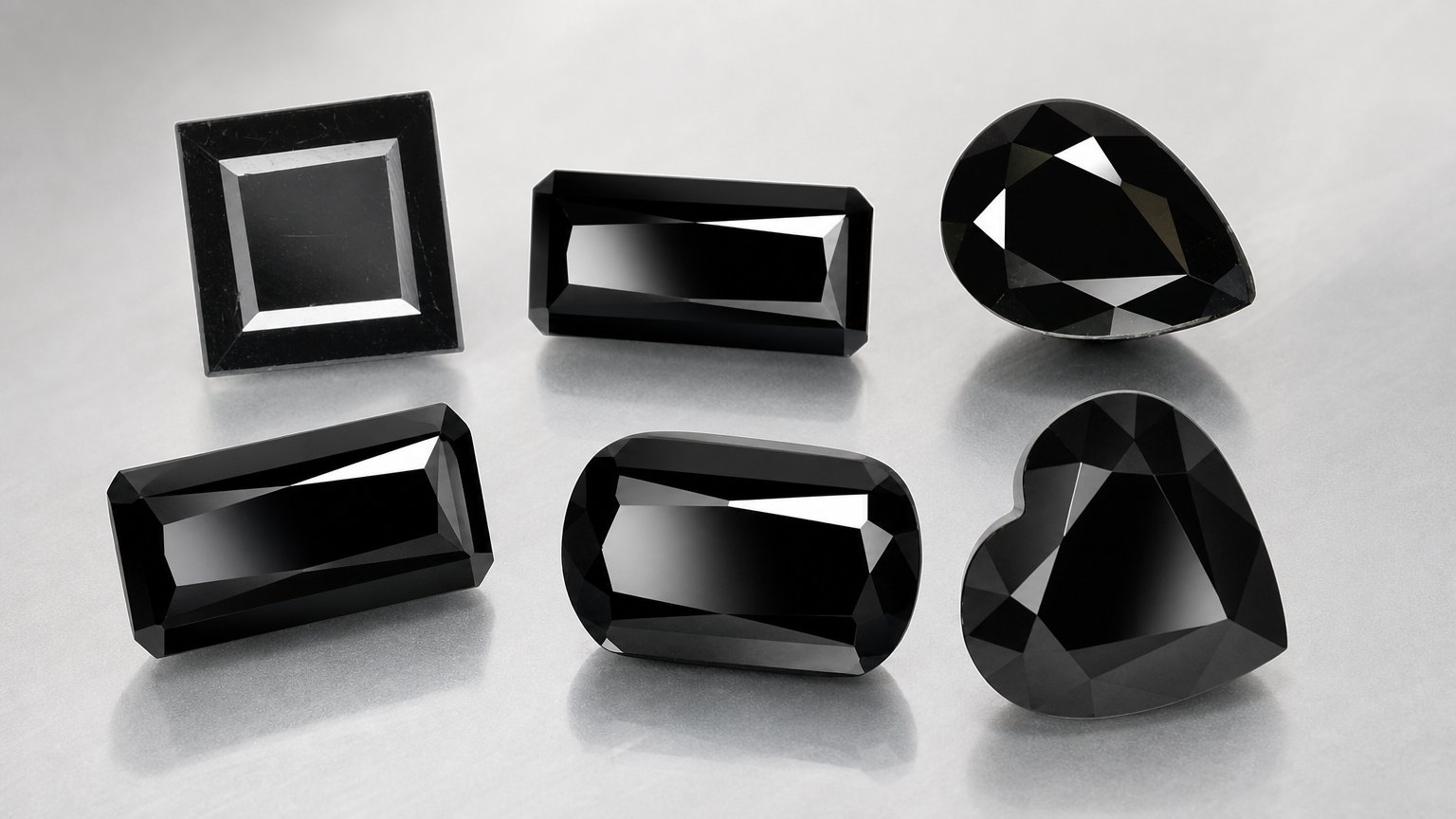
Black tourmaline is commonly available in faceted cuts, including step cuts. These cuts work well for geometric jewelry designs and can give the stone a crisp, architectural look. Octagon shapes are especially suitable for step-cut styles, while oval shapes offer a softer and more versatile appearance.
Cabochons and checkerboard cuts are also found. A cabochon has a smooth, domed surface and is a good choice when you want a simple, polished black gemstone without visible facet patterns. Checkerboard cutting adds a patterned surface that can make a dark stone appear more visually active.
Common shapes include octagon and oval, with cushion and round also seen. Heart, marquise, square and trillion shapes may suit more specific design ideas. When choosing a shape, consider the jewelry setting first: octagons and cushions suit structured rings and cufflinks, while ovals and rounds are easy to use in pendants and necklaces.
Size and Proportion
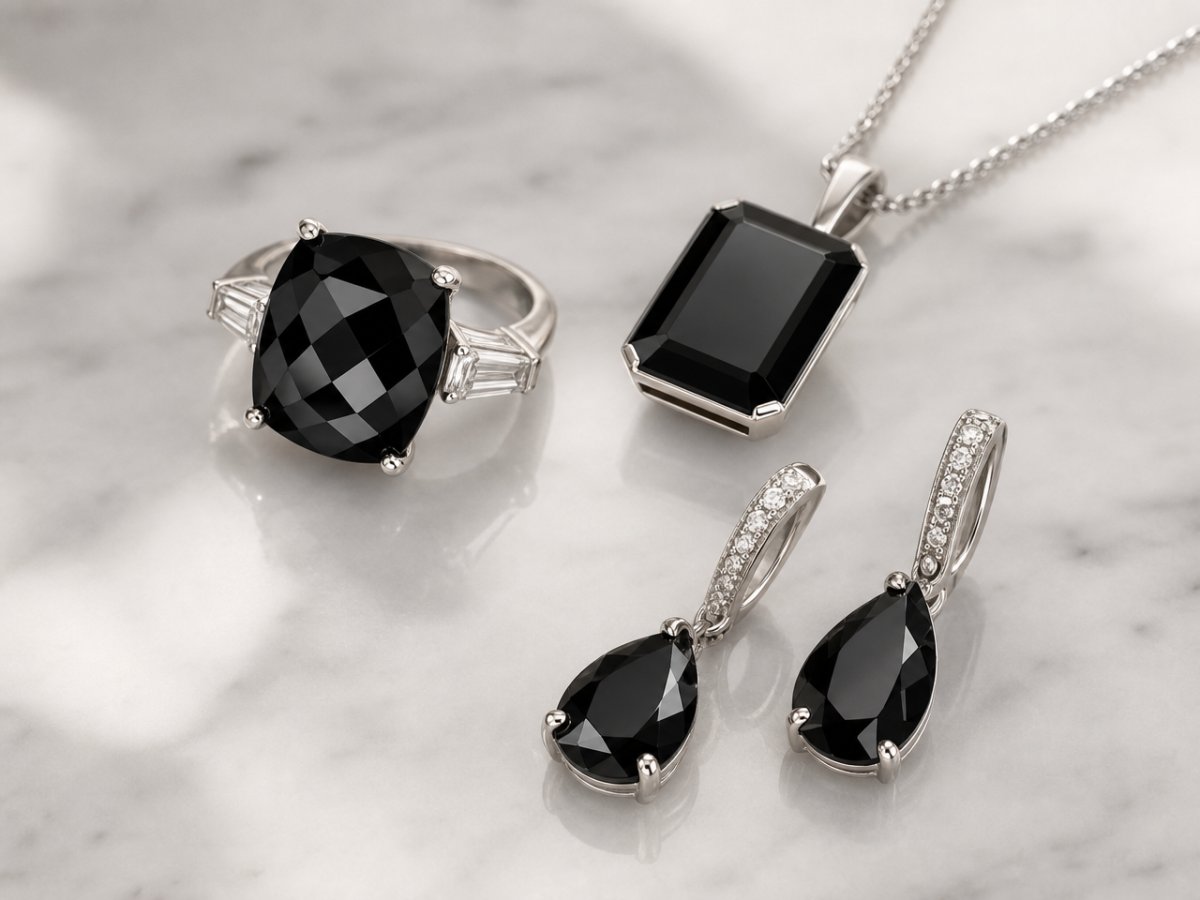
Black gemstones can look visually strong, even at modest sizes, so size should be chosen with wearability in mind. For rings, make sure the stone is not so large that it becomes exposed to unnecessary knocks during daily wear. For pendants, necklaces and brooches, larger stones can be easier to wear because they are less exposed to impact than ring stones.
When buying online, compare the millimeter measurements as well as carat weight. Two stones with similar weight can appear different in size depending on depth and shape. Measurements are especially important if the stone must fit an existing mounting.
Durability and Jewelry Suitability
Black tourmaline has a Mohs hardness of 7 to 7.5. This places it in a useful hardness range for many jewelry types, including rings and pendants, provided the piece is designed and worn with reasonable care.
For rings, choose a secure setting and consider designs that protect corners and edges, especially for octagon, square, marquise or trillion shapes. Pendants, necklaces, brooches and cufflinks are generally less exposed to hard knocks, making them comfortable choices for larger or more decorative black tourmaline stones.
For routine care, avoid rough handling and store the gemstone separately from harder materials that may scratch it. Clean finished jewelry gently according to the setting and metal type.
Treatments and Buying Confidence
Black tourmaline is commonly sold as untreated. This is helpful for buyers who prefer natural color without enhancement. As with any gemstone purchase, the treatment status should be clearly disclosed by the seller.
When buying black tourmaline from GemSelect or another gemstone supplier, review the product details carefully. Look for clear information on gemstone identity, size, weight, shape, cut style and treatment status. A good listing should give you enough information to match the gemstone to your jewelry project or collection purpose.
Origins
Black tourmaline is associated with several origins, including Brazil and Mozambique, with material also known from Madagascar, Namibia, Russia, Sri Lanka and the United States. For most jewelry buyers, origin is usually secondary to appearance, cut quality, size and disclosure.
Collectors may enjoy origin information, but it should not replace careful evaluation of the actual gemstone. A well-cut stone with attractive black color and the right dimensions is generally more useful for jewelry than an origin name alone.
Gemological Properties
| Gemstone | Black Tourmaline |
|---|---|
| Species association | Schorl |
| Chemical formula | Complex borosilicate |
| Crystal system | Trigonal |
| Mohs hardness | 7-7.5 |
| Refractive index | 1.614-1.666 |
| Specific gravity | 3.02-3.26 |
| Common treatment status | Untreated |
Practical Buying Checklist
- Choose the color first: look for an even, attractive black face-up appearance.
- Check the cut and polish: clean outlines, good symmetry and a smooth finish are important in black gemstones.
- Match shape to design: octagon and oval are common choices; cushion and round are also versatile.
- Use measurements: millimeter size matters more than carat weight when fitting a setting.
- Consider the jewelry type: rings need secure settings; pendants and cufflinks can accommodate bolder designs.
- Confirm treatment disclosure: black tourmaline is commonly untreated, and the listing should state this clearly.
Summary
Black tourmaline is a strong choice for buyers seeking a naturally black tourmaline gemstone for jewelry or collection use. The most important buying factors are even black color, suitable shape, good cutting, clear measurements and disclosed treatment status. For rings and everyday pieces, pay special attention to setting protection and practical size. For pendants, necklaces, cufflinks and brooches, black tourmaline offers a bold look with flexible design possibilities.