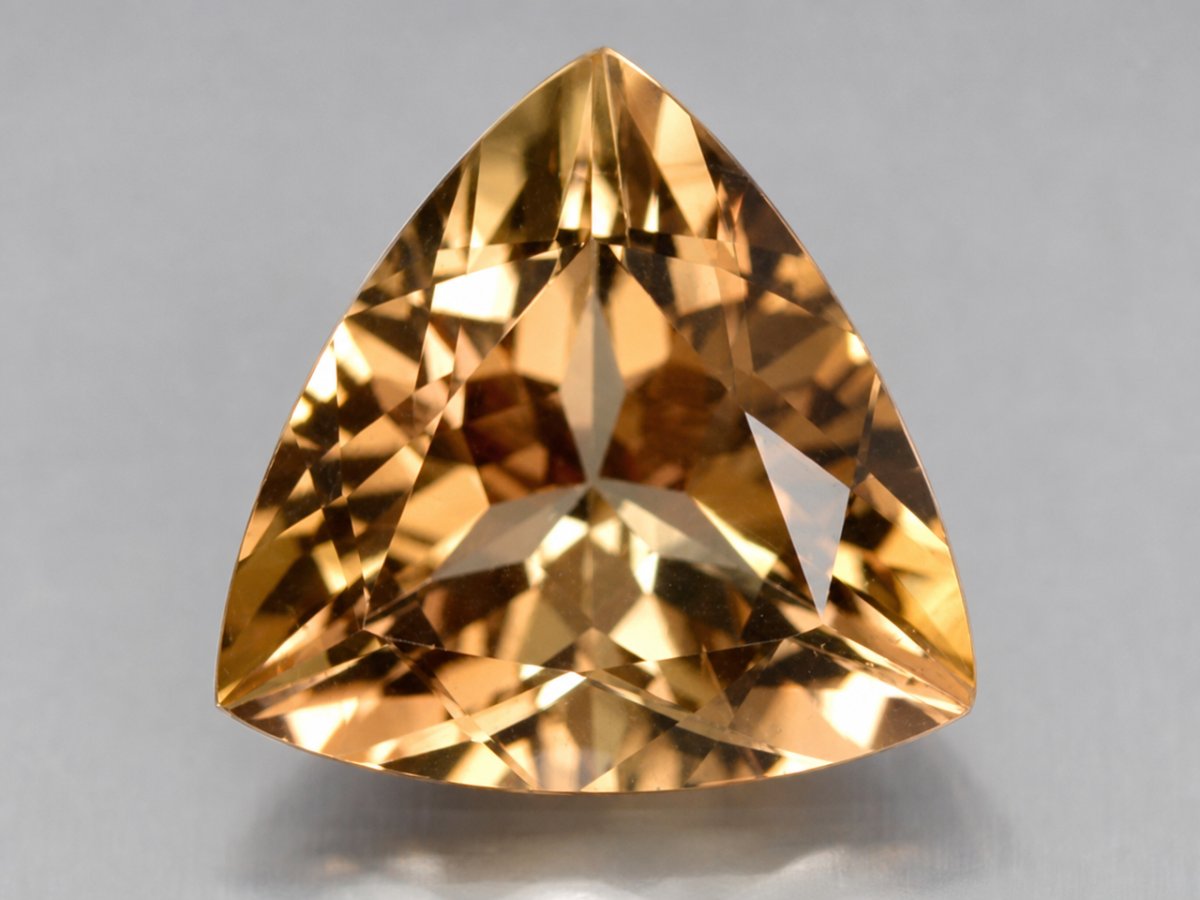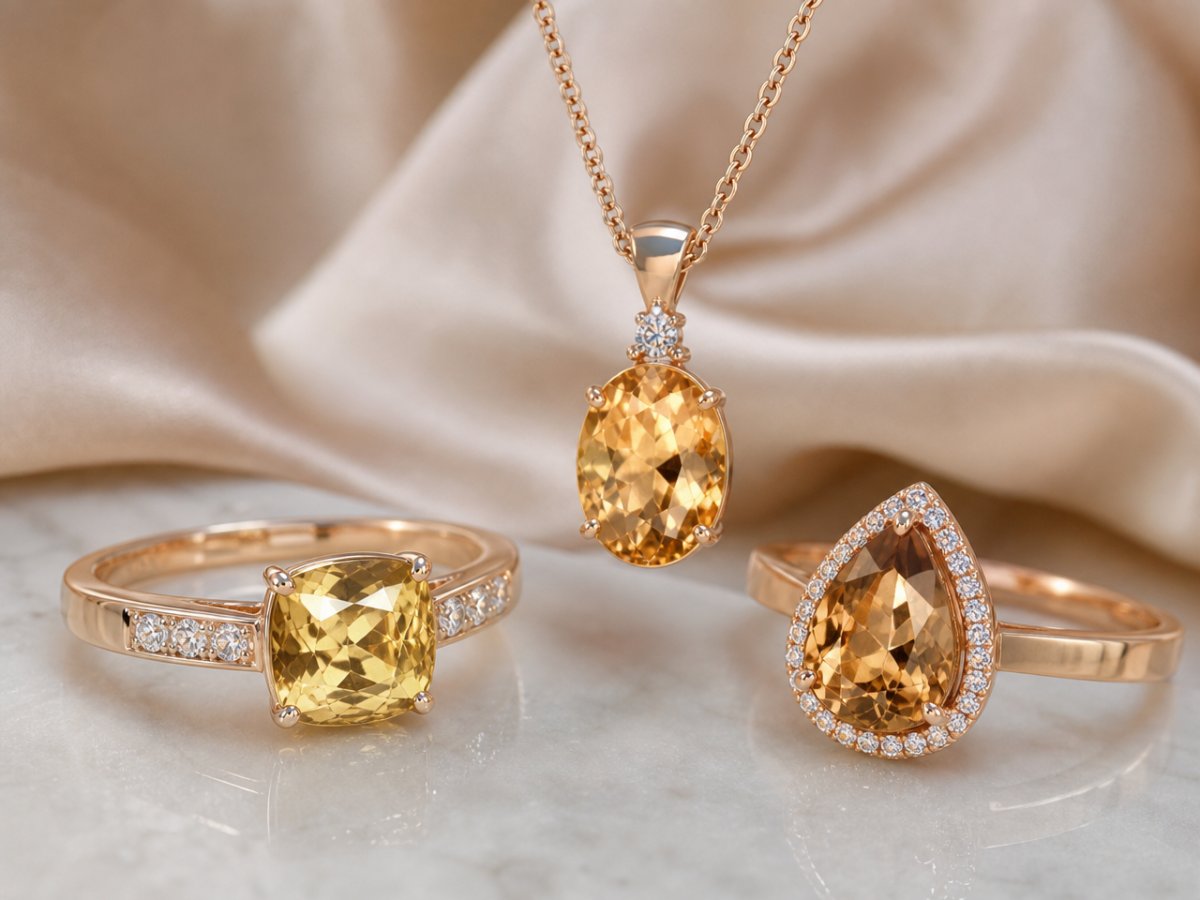


Axinite is a distinctive borosilicate gemstone chosen by buyers who want something less common than standard jewelry gems, with warm brown to champagne tones and occasional purple or violet hues. Because it is not a mainstream gemstone, buying axinite is mostly about judging the individual stone: its color, cut quality, size, durability for the intended setting and whether the seller clearly discloses treatment and origin information.
This guide focuses on the practical details that help you choose an axinite gemstone confidently, whether you are buying for a ring, earrings, pendant, necklace or a collector-focused design.
What is axinite?
Axinite is a borosilicate mineral with the chemical formula Ca₂(Fe,Mn,Mg)Al₂BSi₄O₁₅(OH). It crystallizes in the triclinic crystal system and has gemological properties that make it suitable for faceted gemstones when cut with care.
For buyers, the most important point is that axinite is usually offered as an untreated natural gemstone. When shopping, look for clear product information that identifies the stone as axinite and states any known treatment status.
Axinite color and appearance
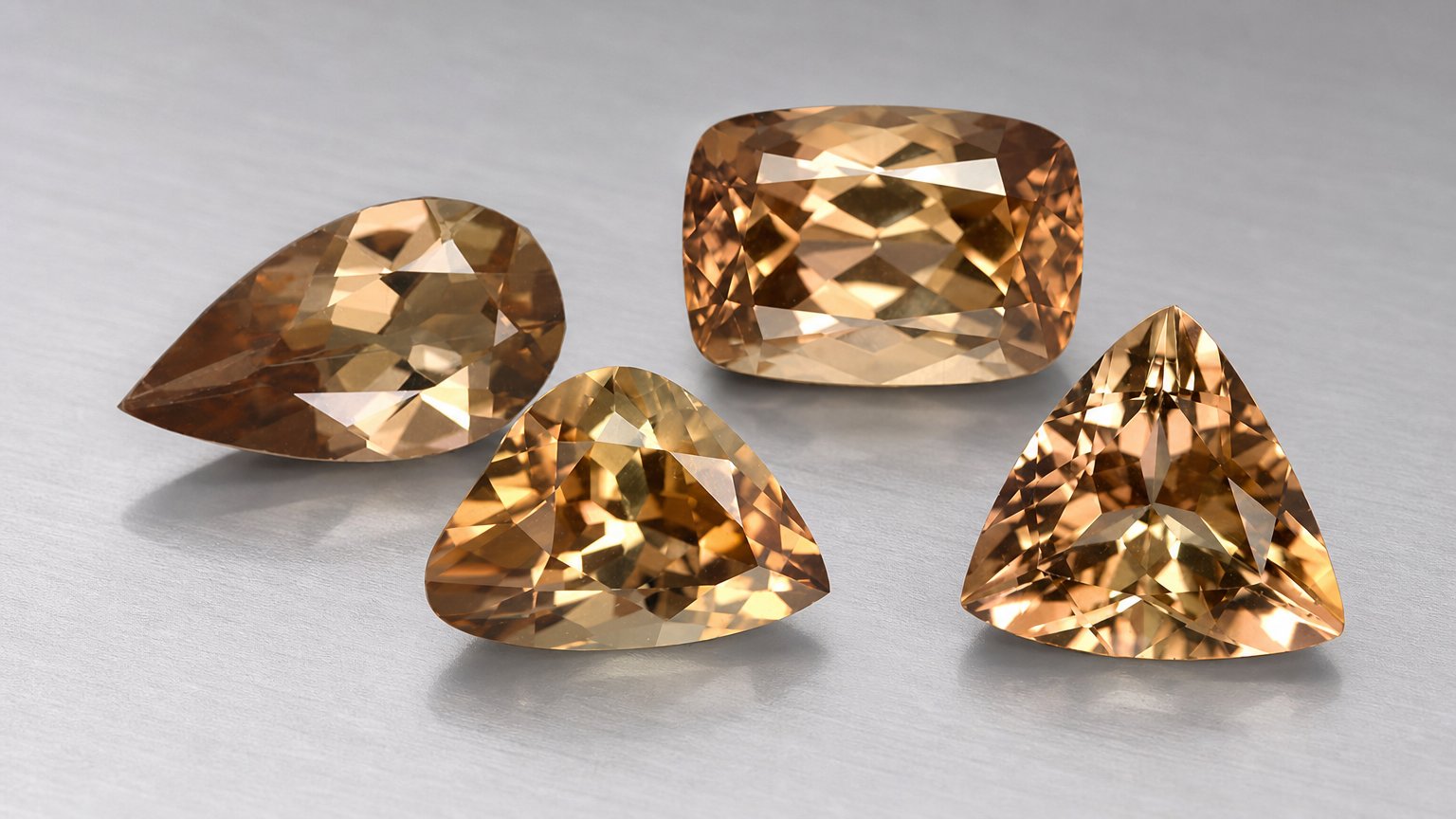
Color is one of the first features to consider. Axinite is best known for brown and champagne colors, which can range from soft, earthy tones to richer warm shades. Purple and violet axinite also occur and can be appealing for buyers who prefer cooler or more unusual colors.
When comparing stones, judge the color face-up in good lighting. Look for a color that appears attractive across the whole gem rather than only at one angle. As with many colored gemstones, personal preference matters: some buyers prefer a lighter champagne stone with brightness, while others prefer a deeper brown with stronger visual presence.
Cut styles and shapes to consider
Axinite is commonly faceted, which helps display its color and brilliance. Checkerboard cuts are also seen and can give the crown a lively, patterned sparkle. Concave cuts and step cuts may be used for certain stones, while cabochons are less common but can suit material where a smooth, polished surface is preferred over facet sparkle.
Oval shapes are especially common and are a practical choice because they show color well and fit many jewelry styles. Cushion and pear shapes are also popular options, while octagon and round shapes may appeal to buyers looking for a more structured or classic outline.
When assessing cut quality, check that the gem looks balanced, symmetrical and bright for its color depth. Avoid stones with noticeably uneven outlines, overly dark centers or windows that make the middle of the gem appear washed out or see-through.
Durability and everyday wear
Axinite has a Mohs hardness of 6.5 to 7. This gives it enough durability for many jewelry applications, but it still deserves sensible care. It is not as hard as diamonds, sapphires or rubies, so it can show wear if exposed to repeated knocks, abrasion or rough handling.
For rings, axinite is best chosen with lifestyle in mind. A ring worn occasionally or in a protective setting is a more suitable choice than one exposed to heavy daily wear. Earrings, pendants and necklaces are lower-impact options and are often easier ways to enjoy axinite while reducing the risk of damage. Bracelets can be worn, but they are more exposed to impact and should be designed with care.
Treatments and disclosure
Axinite is commonly sold as untreated. This is an important buying advantage for customers who prefer natural gemstones without enhancement. Even so, treatment disclosure should always be part of the purchase. A reputable seller should state whether a gemstone is untreated or whether any treatment is known.
When buying online, review the product description carefully and ask questions if treatment information is unclear. GemSelect provides treatment information where relevant so buyers can compare gemstones with better confidence.
Origins of axinite
Axinite is known from several origins, including Madagascar and Pakistan, as well as Tanzania, the United States, Mexico and Russia. Origin can be interesting to collectors, but most jewelry buyers should prioritize the visible quality of the individual gem: color, cut, clarity, size and suitability for the intended design.
If origin is important to your purchase, make sure it is stated by the seller rather than assumed from color or appearance alone.
Useful gemological properties
Axinite has a refractive index of 1.672 to 1.705 and a specific gravity of 3.26 to 3.36. These properties are mainly useful for identification and gemological testing rather than everyday buying decisions. For most customers, they support the importance of purchasing from a seller who accurately identifies the gemstone.
How to choose the right axinite gemstone
1. Start with the jewelry purpose
For rings, choose a stone with a secure setting plan and consider protective design features. For earrings and pendants, you can focus more freely on color, shape and visual appeal because these jewelry types usually receive less impact.
2. Choose the color you will enjoy wearing
Brown and champagne axinite are classic choices for warm, natural-looking jewelry. Purple or violet stones can create a more distinctive design. Compare stones under consistent lighting and choose the one with the most pleasing face-up color.
3. Inspect the cut and face-up appearance
A well-cut axinite should look lively and attractive from the top. The exact cut style matters less than the result. Faceted ovals, cushions and pears are practical choices, while checkerboard or concave cuts can add a more decorative effect.
4. Review clarity and surface condition
Because each gemstone is individual, check photos and descriptions for visible inclusions, chips, scratches or surface-reaching fractures. Minor internal features may be acceptable if they do not distract from beauty or affect durability, but obvious damage should be considered carefully, especially for rings.
5. Confirm treatment information
Since axinite is commonly untreated, the listing should clearly state the treatment status. Clear disclosure is part of a confident purchase.
6. Match size to design
Choose a size that suits the setting and wearability of the finished piece. Larger stones can show color strongly, while smaller stones may be easier to use in earrings, accent designs or delicate pendants.
Care tips for axinite jewelry
Clean axinite gently with mild soap, warm water and a soft cloth or soft brush. Avoid harsh chemicals, abrasive cleaners and rough handling. Store axinite separately from harder gemstones to reduce the chance of scratches.
Remove axinite rings or bracelets before activities that may involve impact, pressure or abrasion. This simple habit helps preserve the polish and setting over time.
Summary
Axinite is a rewarding choice for buyers who appreciate warm brown and champagne gemstones, with purple and violet options for more unusual designs. The best purchase is not based on a single factor but on the combination of attractive color, good cut, appropriate size, clear treatment disclosure and realistic jewelry use. For rings, consider protection and wear habits; for earrings, pendants and necklaces, axinite can be a practical and distinctive option.