Buy Gems: Natural Loose Gemstones HomeNew ArrivalsAbout UsHelpContactSite MapBuyers GuideAccountsCart Open GemSelect Shopping Cart
Gemstone Articles :: Andesine Mystery
Back Back Forward
Loose Gemstones Direct from the Source
Items: 0 | Total: $0.00
Loose Gemstones Direct from the Source  
The Mystery of Andesine

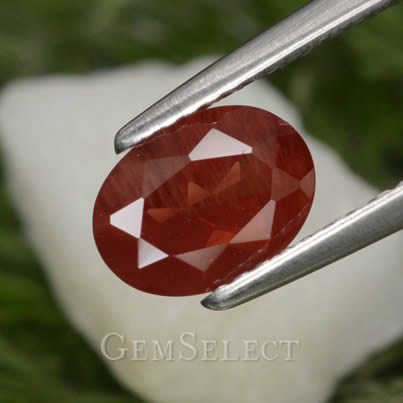
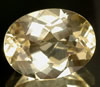
Natural Andesine Labradorite at GemSelectThere is always excitement in the gems world when a new gemstone comes on the market. But sometimes there is mystery as well. That was definitely the case with the recent appearance of a gemstone called andesine.

There are several mysteries associated with andesine. For one thing, no one seems sure exactly what to call it. Sometimes it is called andesine and sometimes andesine-labradorite. Then there is the question of its origin. No one seems quite sure where it comes from. The original reports said the Congo, then China, then Mongolia or Tibet or south India.

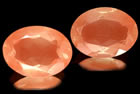
Buy Andesine Labradorite from GemSelectAndesine is a member of the group of minerals known as feldspars. In the gemstone world, moonstone is another famous feldspar. But moonstone is an orthoclase feldspar while andesine is one of the plagioclase feldspars, which include oligoclase, andesine, labradorite and bytownite. All the members of the plagioclase group are a mixture of albite and anorthite, with andesine being 50-70% albite (a sodium aluminum silicate) and 30-50% anorthite (a calcium aluminum silicate). Labradorite is defined as between 50-70% anorthite and 30-50% alibite, so many specimens of similar appearance may fall into one category or the other.

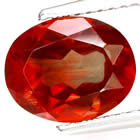
Buy Natural Andesine Labradorite at GemSelectAndesine occurs in a range of colors, from red to honey-red to orange, yellow, champagne and green. It has a hardness of 6 to 6.5 on the Mohs scale, with a vitreous to dull luster. It is transparent to translucent and has perfect cleavage. Due to its hardness, it is not an ideal gem for rings, though it is as hard as tanzanite.

The recently discovered andesine should not be confused with Oregon sunstone, a plagioclase feldspar which is has a shiny metallic "schiller" or glitter caused by light reflections from tiny hematite or goethite or copper platelets.

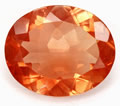
Natural Andesine Labradorite at GemSelectThe name andesine derives from its first discovery in the Andes mountains in South America. Its cousin, labradorite, was first discovered in Labrador in Canada. The geographic variation is not surprising, since Plagioclase is a major constituent mineral in the Earth's crust. It is entirely possible that andesine occurs in locales as geographically varied as Africa, Tibet and south India.

Natural Andesine Labradorite GemstoneRecent specimens of andesine have been tested for their chemical composition, but no well-known gemology lab has yet published a report identifying the different known variations, their origins, typical inclusions and any evidence of treatment. Here in Chanthaburi, we buy our andesine from African traders who assure us that it is material from the Congo, and that it is completely untreated. That is the best information we have at present. Andesine continues to be somewhat of a mystery.

Help
• Shipping
• Payment
• Return Policy
• Security and Privacy
• Guarantee
Gemstone Information
• Clarity and Cut
• Wholesale Gemstones
• Amethyst Cabochons
• Diaspore or Zultantite?
• Calibrated Gemstone Chart
• Lapis Lazuli
• Emerald Information
• Blue Sapphire
• Andesine Labradorite
• Star Moonstone
• Apatite Information
• Red Spinel
Pay Gemstones with Credit Card Pay Gems with PayPal Pay Gem Stones with Visa Delta Ship Gemstones with USPS Secure Payment Fair Gemstone Trade supported by Square Trade
Ship Gemstones securely with FedEx
GO!