
Morganite: The Pink Beryl Gemstone
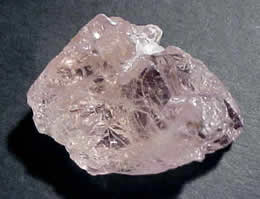
Introduction to Morganite
Morganite, a captivating pink variety of beryl, is a gemstone that’s been stealing hearts since its discovery. Belonging to the same mineral family as emerald and aquamarine, morganite stands out for its delicate hues and rarity. Compared to its raspberry-red cousin, bixbite, which is only found in Utah, USA, morganite is slightly more common but still considered a rare gem. Let’s dive into what makes morganite special!
History and Naming
Back in the early 1900s, gemstone deposits in Pala, California, revealed treasures like kunzite and morganite. Morganite was first identified in Madagascar and named in honor of J.P. Morgan, a prominent financier and gem collector. The name was proposed by George Frederick Kunz, Tiffany & Co.’s chief gemologist, to recognize Morgan’s support as a patron. Fun fact: there’s been a push in the jewelry world to call morganite “pink emerald,” but that’s just a marketing tactic. Its official name remains morganite. Learn more about morganite’s history.
Properties of Morganite
Morganite is aluminum beryllium silicate, just like other beryls. It boasts a solid hardness of 7.5 to 8 on the Mohs scale, making it durable for jewelry. Its refractive index ranges from 1.562 to 1.602, and it’s slightly denser than other beryls, with a specific gravity of 2.71 to 2.90. Unlike emerald, which often has visible inclusions, morganite is typically quite clean, giving it a clear, sparkling appearance. Explore morganite’s unique properties.
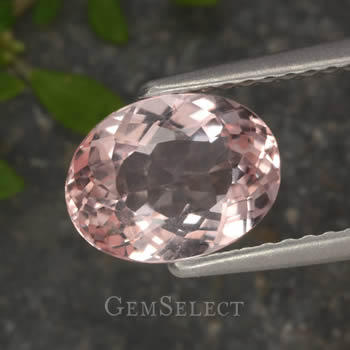
Color and Treatment
The soft pink, violet, salmon, or peach shades of morganite are its signature feature, but the exact cause of this color is a bit of a mystery. Some experts point to traces of manganese, while others suggest caesium is the culprit. To enhance its color and zap any yellowish tones, morganite is often heat-treated at low temperatures (around 400°C). This treatment is standard and widely accepted in the gem trade. Discover more about morganite’s color.
Global Deposits
Morganite is found in several corners of the globe, including Afghanistan, Brazil, China, Madagascar, Mozambique, Namibia, Zimbabwe, and the USA (California and Maine). While not as rare as bixbite, its deposits are still limited, making each morganite gem a bit of a treasure. Find out where morganite is sourced.
Frequently Asked Questions
What is morganite?
Morganite is a pink variety of beryl, a mineral family that includes emerald and aquamarine. It’s known for its soft pink to peach hues.
Is morganite rare?
Yes, morganite is considered rare, though it’s more common than bixbite, another beryl variety. Its limited deposits make it a prized gem.
How is morganite treated?
Morganite is routinely heat-treated at low temperatures (about 400°C) to enhance its color and remove yellow tones.
Can morganite be used in everyday jewelry?
With a hardness of 7.5 to 8 on the Mohs scale, morganite is durable enough for daily wear, though care should be taken to avoid scratches.
Disclaimer: Some sources may attribute healing or spiritual properties to morganite. These claims are not scientifically verified. Information provided here is for educational purposes only and should not be considered medical or spiritual advice.

