
Lapis Lazuli Gemstone Information

Lapis Lazuli Introduction
The name Lapis Lazuli highlights its key role in the gemstone world. "Lapis" means stone, and it's linked to the craft of shaping rough gems into beautiful pieces. You might think "Lazuli" refers to blue, but it actually comes from a region known for this stone. Over time, it became so tied to that vivid blue that it influenced words like "azure," which captures a perfect sky-blue shade - and even names places like the Côte d'Azur for its striking sea.
So, Lapis Lazuli stands out as the ultimate blue gem. It's the one you'll spot on ancient Egyptian tombs, Babylonian gates, Roman jewelry, and in museum displays of historical treasures.
Lapis Lazuli Colors

Color is everything when it comes to valuing gemstones, and for Lapis Lazuli, blue is essential - the deeper and more even, the better. Top-quality pieces show a rich, uniform dark blue, maybe with a hint of violet. These stones often have inclusions like white calcite or golden pyrite, but those with fewer flaws and consistent color fetch higher prices.
Golden pyrite can create eye-catching patterns against the blue, boosting value if not overwhelming. White calcite streaks, though, tend to reduce appeal and cost.
Unlike most gems, Lapis Lazuli is a rock composed of multiple minerals, including lazurite, pyrite, calcite, feldspar, mica, and diopside. Lazurite gives the blue hue, and finer stones contain at least 25% of it.
Lapis Lazuli Species
Lapis Lazuli is a rare metamorphic rock blending minerals like calcite, pyrite, diopside, and essential lazurite (also called hauyne).
Any stone with this makeup and a base blue color qualifies as Lapis Lazuli. A few varieties have specific names:
- Chilean Lapis, with minimal golden pyrite but more white calcite streaks.
- Denim Lapis, a paler blue resembling faded jeans.
Lapis Lazuli Clarity and Cut

This opaque gem is mainly blue with white or golden streaks from other minerals. Pyrite's gold flecks can add appeal without dropping value, unlike calcite's white marks.
As an opaque stone, it's seldom faceted unless the blue is exceptionally deep and even. Instead, it's polished into cabochons - often ovals, rounds, or freeform shapes perfect for standout jewelry.
What is the Spiritual Meaning of Lapis Lazuli?
Disclaimer: The information provided about the spiritual and healing properties of Lapis Lazuli is for informational purposes only and is not intended as a substitute for professional medical advice.
Ancient healers and leaders recognized Lapis Lazuli's power - it decorated Sumerian and Egyptian burials, served as Greek and Assyrian amulets, and even appeared in Roman traditions. That's over 6,000 years of reverence.
In today's world, where online chats can make real interactions tricky, Lapis Lazuli acts like a confidence booster. It helps shake off shyness, making it easier to connect with others. Picture bringing one to a gathering - you'll feel more at ease chatting and forming bonds.
It's great for meditation too, clearing out negative vibes and sharpening focus. This can turn ideas into reality. If meditation isn't your thing yet, try placing it near your bath for a relaxing soak and let it work its magic.
Lapis Lazuli brings luck in relationships, finances, and work - strengthening bonds, stabilizing money matters, and supporting career growth.
Lapis Lazuli and the Chakras

Disclaimer: The information provided about the spiritual and healing properties of Lapis Lazuli is for informational purposes only and is not intended as a substitute for professional medical advice.
Chakras are your body's energy hubs, tied to physical, emotional, or mental states, each with a color: Crown (purple), Third Eye (indigo), Throat (blue), Heart (green), Solar Plexus (yellow), Sacral (orange), Root (red). Lapis Lazuli's dominant blue links it to specific chakras.
It's closely tied to the Throat Chakra, aiding communication issues with family or coworkers. If words get twisted or you feel unheard, this stone can help. It may ease related physical signs like sore throats, neck pain, or tension headaches.
Darker, violet-tinged pieces influence the Third Eye Chakra, organizing thoughts and reducing nightmares.
Health Benefits of Lapis Lazuli
Disclaimer: The information provided about the spiritual and healing properties of Lapis Lazuli is for informational purposes only and is not intended as a substitute for professional medical advice.
Lapis Lazuli is said to support respiratory and nervous systems, plus circulation, blood pressure, and pre-menstrual discomfort. It might help with throat issues, larynx problems, neck stiffness, migraines, insomnia, and dizziness.
We're no experts, but wearing it as jewelry - like pendants or earrings - keeps it close for Throat and Third Eye influence. Carry it in your pocket as a touchstone, or use during meditation by holding or placing on chakras.
Clean it monthly under tepid water, then dry with a soft cloth - avoid soaking or air-drying.
Lapis Lazuli Price

Lapis Lazuli Price List |
||
|
Color |
Weight range |
Price range / USD |
|---|---|---|
|
Blue |
1ct + |
$0.8 - 4/ct |
Lapis Lazuli remains affordable, with deep blue pieces at $2 to $3 per carat, and exceptional ones higher.
Prime examples are deep blue, midnight, violet, or indigo, with subtle gold flecks but no heavy white. A light white dusting can mimic a starry sky, which some folks love - it's all about preference.
Paler stones with stripes or patches sell cheaper, though denim-blue varieties are gaining fans.
Afghan or Persian sources are top-rated, but Chilean ones hold their own. Sizes vary, and cuts highlight the blue and patterns, often in freeforms for custom jewelry.
Lapis Lazuli Discovery and History

Mining began around 7000 BC in Afghanistan's Badakhshan and Tajikistan's Pamir Mountains, supplying ancient Egypt.
The Epic of Gilgamesh from 2750 BC mentions a chariot of Lapis Lazuli and gold offered by goddess Ishtar.
Biblical "sapphires" likely meant Lapis Lazuli with pyrite, as true sapphires were rare and hard to carve. Its softness allowed shaping into bowls, combs, and vases.
Ground into pigment, it created Egyptian eye makeup and medieval European paints for masterpieces.
Where is Lapis Lazuli Found?

Afghanistan, Tajikistan, and Pakistan remain primary sources after millennia. Chile's Andes yield large deposits, widely used despite lower prestige.
Other spots include Russia's Lake Baikal, Canada's Baffin Island, the USA, Myanmar, and Europe, but with lesser quality and volume.
How is Lapis Lazuli Formed?
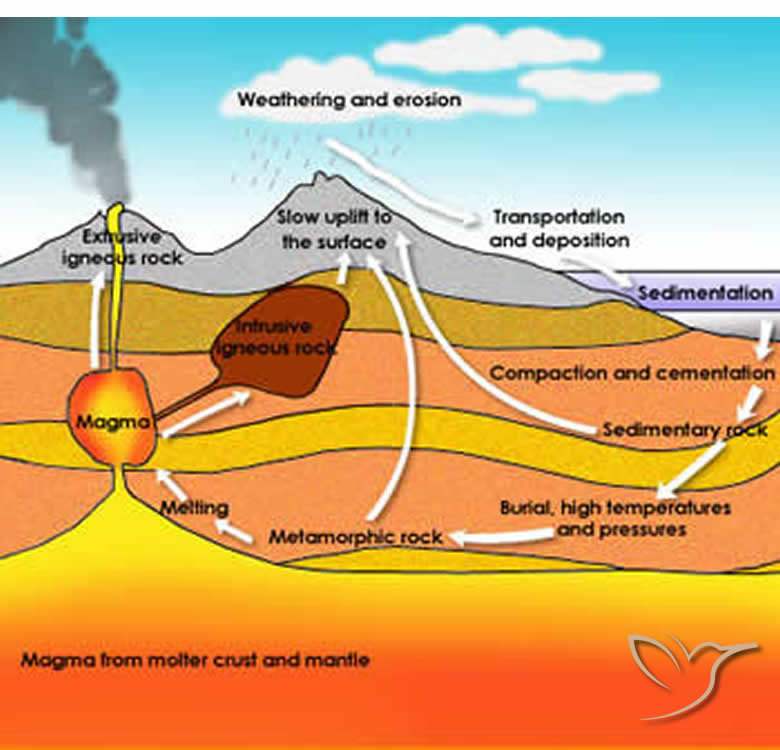
Start with marble-rich rock mixed with minerals. Magma rises, heating and transforming it into metamorphic rock.
Silicate bases combine with lazurite, calcite, sodalite, and pyrite; sulfur creates the blue. True Lapis needs at least 25% lazurite.
Can Lapis Lazuli be Treated?
Beyond cutting and polishing, treatments are rare. Heating experiments for better blue can backfire, turning it green.
Dyeing enhances color or masks white, but it's detectable. We disclose any treatments on our stones.
What Jewelry is Lapis Lazuli Suitable For?
Used in all jewelry types for ages, but its 5-6 Mohs hardness calls for caution. Hardness varies by mineral content - calcite softens spots.
Great for pendants and earrings; use protective settings for rings and bracelets. Its carvability allows unique shapes.
Did You Know? Fascinating Facts about Lapis Lazuli
- A Work of Art
- Lapis Lazuli pigment featured in masterpieces like Van Gogh's Starry Night, Vermeer's Girl with a Pearl Earring, and Titian's Bacchus and Ariadne.
- Things Are Looking Up
- Michelangelo used it for the Sistine Chapel ceiling frescoes.
- Even Pharaohs Had a Budget
- Tutankhamun's mask has real Lapis eyes but imitation for headbands.
- Fabergé Eggs
- Peter Carl Fabergé incorporated it in Czar eggs; one sold for $18.5 million.
- World's Oldest Gemstone?
- Stone Age people may have carved Lapis into early jewelry, beyond feathers or shells.
- Anniversary Gift
- Traditional for the 9th wedding anniversary.
- Birthstone
- Once December's, now alternate for September in the UK; replaced by zircon.
- Dangerous Work
- Miners used fire-setting - heating rocks then quenching to shatter - until dynamite arrived.
- Babylonian Prayer
- "Oh Samas, lord of judgement, Oh Adad, Lord of prayer and divination, You, who sit on thrones of gold, who eat from tables of Lapis Lazuli..."
How to Care for Lapis Lazuli
At 5-6 on Mohs, handle gently. Porous nature means no prolonged water exposure or chemicals beyond mild soap.
Avoid household cleaners, heat, steam, or ultrasonic cleaners.
Store in fabric-lined boxes, separate from harder gems to prevent scratches.
How Can You Tell a Real Lapis Lazuli?

Buy from trusted sellers, but if hunting deals, know the signs.
Fakes include dyed materials - test with acetone on a swab; blue means dye. Wax coatings need hot point checks.
Acid test releases sulfur smell (rotten eggs) from real stones, but avoid on unowned pieces.
Visual clues: Uniform or overly bright color looks fake; painted gold flecks signal imitation. Plastic warms fast and clinks dully against teeth.
Dyed howlite (softer) or jasper (harder) mimic it. Stick with reputable dealers for peace of mind.
What is So Special about Lapis Lazuli?
This gem graced pharaohs' afterlives and queens' crowns. Ancient miners might have seen its blue and gold mirroring starry nights, viewing it as divine.
Wearing or using it today connects to that heritage. Plus, its feel and elegance make it irresistible.
Can Lapis Lazuli Change Color?

Some gems shift colors dramatically under lights - like garnet turning green in sun. But Lapis Lazuli doesn't show this effect, unlike alexandrite or certain sapphires.
Frequently Asked Questions
What is Lapis Lazuli?
Lapis Lazuli is a deep blue metamorphic rock used as a gemstone, composed mainly of lazurite along with other minerals like pyrite and calcite.
What colors does Lapis Lazuli come in?
It ranges from vivid dark blue to lighter shades, often with violet undertones, and may include golden or white inclusions.
Is Lapis Lazuli a mineral or a rock?
It's classified as a rock, being an aggregate of several minerals rather than a single mineral.
What is the spiritual significance of Lapis Lazuli?
It's associated with confidence, communication, and meditation, but remember, such properties are traditional beliefs and not scientifically proven.
How should I care for Lapis Lazuli jewelry?
Clean with tepid water and mild soap, dry immediately, and store separately to avoid scratches.
How can I tell if Lapis Lazuli is real?
Check for uneven color, test for dye with acetone, or note if it feels plastic-like; buy from trusted sources for assurance.
Where is the best Lapis Lazuli from?
Afghanistan is renowned for top quality, though Chile and other regions produce notable examples.
Lapis Lazuli - Gemological Properties
|
Chemical Formula: |
Na6Ca2 Sodium calcium aluminum silicate |
|
Crystal Structure: |
(Cubic) rare, dense aggregates |
|
Color: |
Lazur blue, violet, greenish-blue |
|
Hardness: |
5.00 to 6.00 |
|
Refractive Index: |
1.50 (approximate) |
|
Density: |
2.50 to 3.00 |
|
Cleavage: |
Indistinct |
|
Transparency: |
Opaque |
|
Double Refraction or Birefringence: |
None |
|
Luster: |
Vitreous, greasy to dull |
|
Fluorescence: |
Strong: White, also orange, copper colored |


